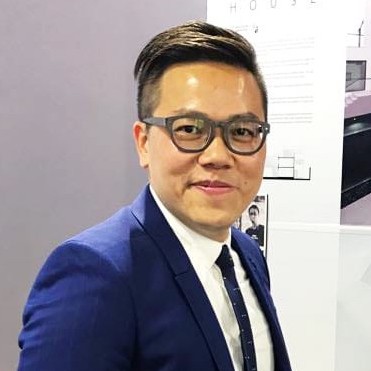
Shaunak Mujumdar

Profession: Architectural Designer
City: London
Country: United Kingdom
What inspired you to want a life in Architecture and the creative industries?:
I have always been drawn to architecture because it is one of the most nuanced and critically examined forms of art. It demands a deep understanding of physical sciences, human psychology, environmental conditions, and social context, alongside creativity. This balance between logic and imagination motivates me to stay curious and keep learning. Architecture also offers the chance to engage with people from diverse backgrounds, from craftsmen and builders to clients and consultants, making the process deeply collaborative and human. Most importantly, every project leaves behind a lasting physical trace in the world, open to appreciation and critique for decades. Each building becomes both an opportunity and a test, where design intent must respond to real constraints, responsibilities, and human needs. This responsibility and permanence are what truly inspire me to pursue a life in architecture and the creative industries.
Who inspired you in finding your path to Architecture/Film and the creative industries?:
I have always been deeply inspired by history, and for me, its most powerful living traces are architecture and literature. Architecture feels especially engaging because it can be physically experienced, allowing you to inhabit spaces much like people did centuries ago. This ability to step into another time and culture fascinated me from a young age. Growing up in India, I was constantly surrounded by temples, palaces, and monuments that are hundreds, and sometimes thousands, of years old. Rather than being inspired by a single individual, it was this continuous exposure to history, craftsmanship, and timeless spaces that shaped my desire to pursue architecture and the creative industries.
How you unlock obstacles and overcome bias in your work?:
I believe listening and deep contextual understanding are the most powerful tools for overcoming obstacles and personal bias in design. By carefully understanding the emotional, social, environmental, and physical context of a project, many challenges resolve themselves naturally. While expressing my own ideas is important, it should never come at the cost of practicality, user needs, or scientific and environmental logic. Architecture cannot ignore physical laws, material behaviour, or real constraints simply to make a statement. Many obstacles arise when designers begin designing before fully understanding the context, leading to assumptions that later require reworking. By slowing down, listening closely, and grounding design decisions in research and empathy, I actively challenge my own biases and arrive at more meaningful, responsible, and adaptable solutions.
What improvements do you feel are required to promote effective change in the academic and working environment?:
I believe a stronger bridge is needed between academic training and professional practice. While speculative and conceptual briefs are essential for nurturing creativity, critical thinking, and experimentation, they often exist far from the realities of architectural production. Many graduates, even from leading institutions, find themselves underprepared for the technical, digital, and collaborative demands of professional studios, where skills such as drafting, documentation, coordination, and software proficiency are essential.
A more integrated approach, where conceptual exploration is balanced with real-world workflows, construction logic, and exposure to industry-standard tools, would better prepare students for practice. This could include studio projects rooted in real constraints, closer collaboration with practicing offices, live briefs, and structured technical training embedded within design education. Such a model would not only improve employability but also empower graduates to translate creative ambition into buildable, responsible architecture, making the transition from academia to practice more meaningful and effective.