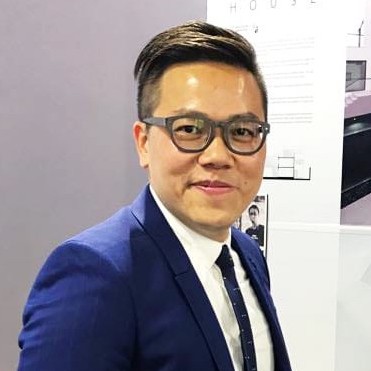
Eden lhamu bhutia

Profession: Architect / Urban Designer (Currently looking for job opportunities)
City: London
Country: United Kingdom
What inspired you to want a life in Architecture and the creative industries?:
Growing up in hill towns, I wasn’t exposed to architecture as something expressive or diverse. Most buildings followed similar templates, shaped more by necessity than design intention. Because of that, architecture initially felt invisible to me, until I encountered cities where infrastructure, scale, and materiality felt deliberate and expressive. I’ve always been drawn to both art and science, and architecture became the first discipline where I realised the two could coexist. It offered the logic and rigour of science while still allowing space for imagination, storytelling, and design.
A formative memory for me was visiting Dubai around ten years ago. Sitting by a window, looking at glass towers catching the light, I found myself instinctively sketching them. At the time, I didn’t have the language for what fascinated me – whether it was structure, form, or the way buildings shaped experience – but I knew I was deeply curious.
Architecture became the way I could explore that curiosity professionally, while staying connected to creativity. It allowed me to understand cities not just as places to live in, but as systems shaped by culture, infrastructure, and people.
Who inspired you in finding your path to Architecture/Film and the creative industries?:
Rather than being inspired by a single person, my path into the creative industries came from an internal inclination. Other science-led career paths felt too rigid and disconnected from the way I wanted to engage with the world. I was drawn instead to disciplines that allowed questioning, interpretation, and emotional intelligence alongside technical skill.
Over time, inspiration came from observation – of cities, films, exhibitions, and everyday environments – and from seeing how creative work could shape how people feel, move, and belong. Architecture and film both offers ways to think spatially and narratively, which felt more aligned with how I process and understand the world.
More recently, peers, mentors, and educators have played an important role in shaping my confidence to continue on this path. Seeing people question existing systems, challenge norms within the built environment, and carve out alternative practices has been just as influential as any single figure.
How you unlock obstacles and overcome bias in your work?:
For me, overcoming obstacles and bias begins with actively questioning my own position. I try to step back from my work and ask who it centres, who it excludes, and how it might be interpreted differently by others. This process often involves revisiting ideas multiple times and being open to changing direction. I also rely strongly on peer-to-peer review. Sharing work with friends, collaborators, and mentors allows me to gain more holistic perspectives and identify blind spots I might not notice on my own. These conversations often reveal assumptions embedded in the work and help me think more critically about representation, access, and impact.
Seeking mentorship has also been essential. Learning from people with different experiences – especially those further along in their careers – helps me navigate challenges with more clarity and humility. I see bias as something that requires ongoing reflection and dialogue.
What improvements do you feel are required to promote effective change in the academic and working environment?:
I strongly believe the built environment has a mentorship problem. Early-career professionals often lack consistent guidance, time, and support, which can lead to feelings of exclusion or uncertainty. Creating structured, generous mentorship spaces would allow younger practitioners to feel valued and included in conversations that shape the future of the industry.
There is also a significant gap between academia and practice. Academic projects often explore aspirational, inclusive ideas, but these are rarely translated into real-world practice, where constraints such as budgets, productivity, and material value dominate decision-making. This disconnect can make the transition into practice difficult and discouraging.
Bridging this gap requires more transparency about how projects are delivered, bid for, and negotiated – and more trust in early-career professionals as contributors rather than observers. Investing time in education, mentorship, and honest dialogue is essential if the industry wants to build a more thoughtful, inclusive future.