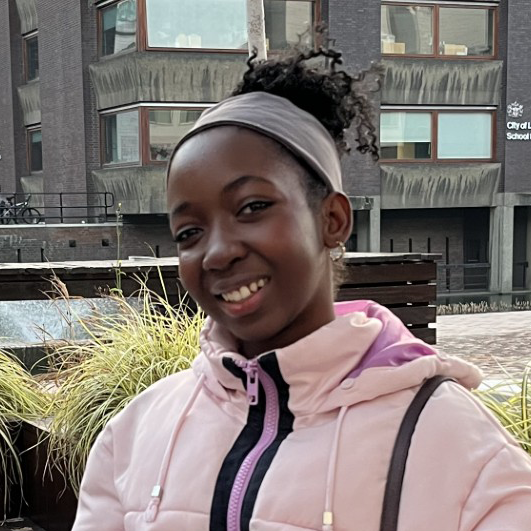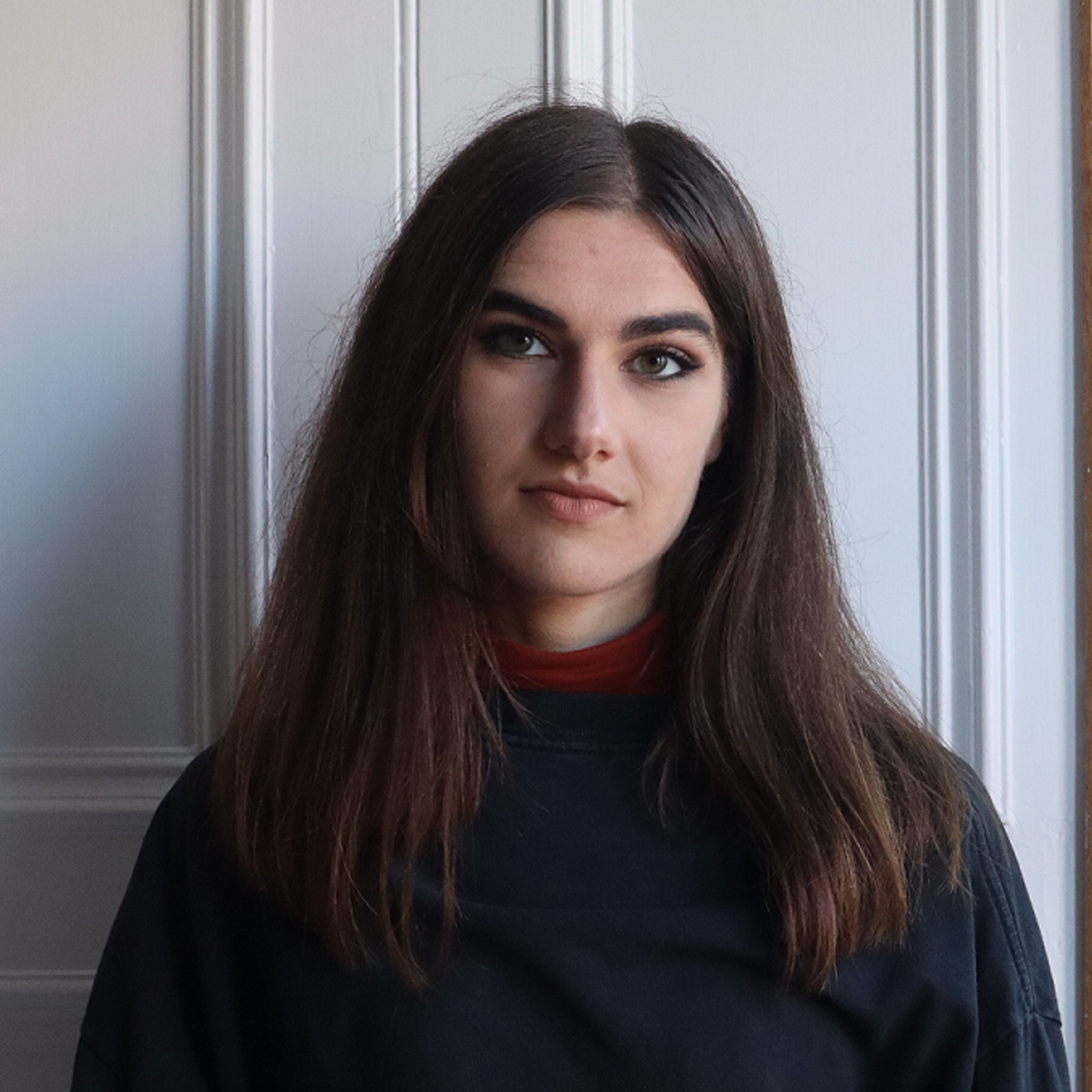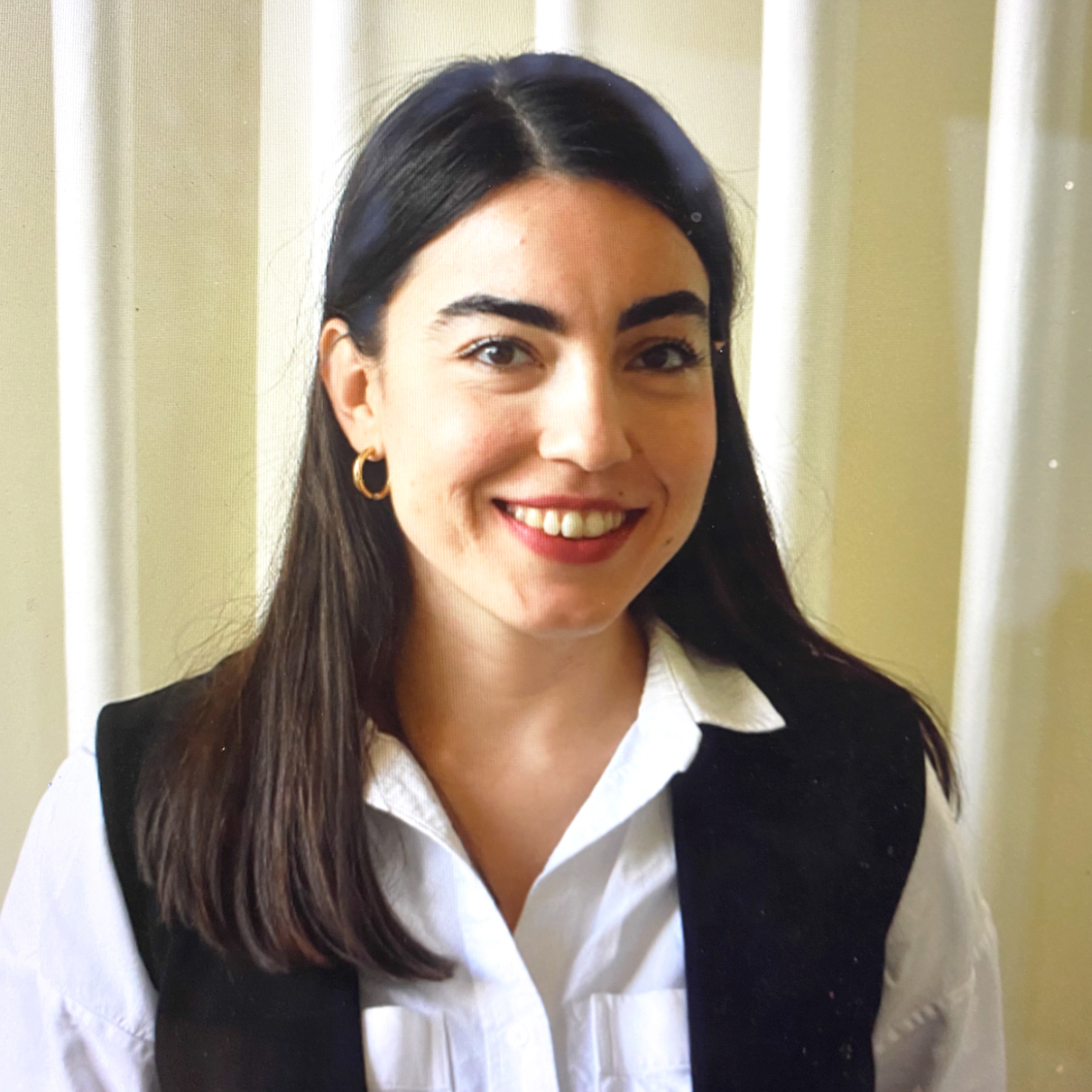
Rohan Patel

Profession: Architecture
City: Wolverhampton
Country: United Kingdom
What inspired you to want a life in Architecture and the creative industries?:
I’ve always been drawn to architecture because it feels like a perfect mix of creativity and real-world impact. I love the idea that something you imagine on paper can become a space where people live, work and build their futures. For me, it’s not just about designing buildings that look good, but about creating places that feel purposeful and bring people together. The creative industry excites me because it allows ideas to turn into something tangible — something that can shape communities and open up opportunities. Choosing a life in architecture feels natural to me; it’s where creativity meets meaning, and where I can use my ideas to make a lasting difference.
Who inspired you in finding your path to Architecture/Film and the creative industries?:
From a young age, our holidays were less about beaches and spas and more about city walks, site visits and guided tours. While other families relaxed by the sea, I found comfort wandering through streets, stepping inside historic buildings and listening to the stories behind them. I was fascinated not just by how these structures looked, but by the history, the detail and the narrative that shaped each project. Spending summers with family members who work in architecture only deepened that interest. Seeing what they did day to day — the sketches, the conversations, the problem-solving — made the profession feel real and exciting. Those experiences didn’t just inspire me; they quietly shaped the path I knew I wanted to follow.
How you unlock obstacles and overcome bias in your work?:
When I face obstacles in my work, I try to step back first rather than react straight away. I break the problem down into smaller parts and focus on what I can control — whether that’s improving my technical understanding, asking for feedback, or testing a different approach. I’ve found that most challenges become manageable once they’re clearly defined. I’m also not afraid to ask questions; I see that as a strength rather than a weakness, especially in a learning environment.
In terms of bias, I try to stay self-aware. In creative work, it’s easy to become attached to your first idea or to design from your own perspective only. I actively look for feedback from others and try to understand different viewpoints — whether that’s from tutors, teammates or the people who would actually use the space. I remind myself that good design isn’t about proving I’m right, but about creating something that works for a wide range of people. Staying open-minded, reflective and willing to adapt is how I continue to improve and move past both practical and personal barriers.
What improvements do you feel are required to promote effective change in the academic and working environment?:
I think one of the biggest improvements needed in both academic and working environments is stronger communication and transparency. People perform better when expectations are clear, feedback is constructive, and there’s an open culture where questions are encouraged rather than avoided. Creating spaces where individuals feel comfortable sharing ideas — without fear of being judged — leads to more honest conversations and better outcomes.