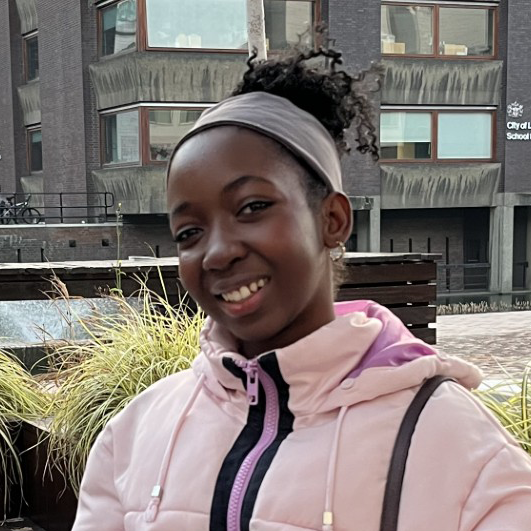
Zahra Rostami

Profession: Architect | MSc BIM
City: Bristol
Country: United Kingdom
What inspired you to want a life in Architecture and the creative industries?:
I’ve always believed that architecture is the vessel of life it shapes the spaces where everyday life happens. That belief is what first drew me to architecture. Over time, my interest in technology and energy performance deepened my focus, especially on creating accurate drawings, clear documentation, and designs that can be built properly. This is what naturally led me to BIM, where design and information come together to support better coordination and more reliable outcomes. Eventually, I decided to move to the UK to study BIM as a specialised pathway, so I could develop my passion into solid, professional knowledge and keep improving my skills in a structured, industry-focused environment.
Who inspired you in finding your path to Architecture/Film and the creative industries?:
As a teenager, I watched a film that featured a female architect, and it was the first moment I felt truly inspired by the profession. Seeing a woman in that role made architecture feel real and achievable for me. After that, my family supported my curiosity encouraging me to read more, explore the field, and take my interest seriously. That early spark, combined with the encouragement around me, became the foundation that shaped my path into architecture, and it’s still the same inspiration that keeps me motivated to grow and learn every day.
How you unlock obstacles and overcome bias in your work?:
When I face an obstacle, I try to stay calm and break the problem into small steps. I identify what’s unclear, look for the right guidance (standards, best practice, or a colleague’s advice), test a solution, and then document what I learned so I don’t repeat the same issue. If it’s a communication challenge, I ask clear questions early and keep people updated.
When it comes to bias, I’ve learned not to take it personally. I focus on the quality of my work, being consistent, prepared, and professional. I also try to create understanding by listening, setting boundaries respectfully, and letting my results speak for themselves. Over time, this approach builds trust and changes perceptions.
What improvements do you feel are required to promote effective change in the academic and working environment?:
Effective change in academic and working environments needs to be built into everyday systems, not just statements. I believe the most important improvements are: clearer expectations and assessment/role criteria; consistent, constructive feedback and mentoring; inclusive communication that values different backgrounds and accents; and practical, skills-based learning opportunities that connect education to real industry workflows. Organisations should also strengthen fair recruitment and progression processes (transparent criteria, diverse panels, and anti-bias training), while creating psychologically safe spaces where people can ask questions, admit gaps, and learn without fear. Finally, flexible working/study support and wellbeing resources help people perform sustainably and reduce burnout especially for those balancing study, work, and relocation.