
Suzanne Rodgers
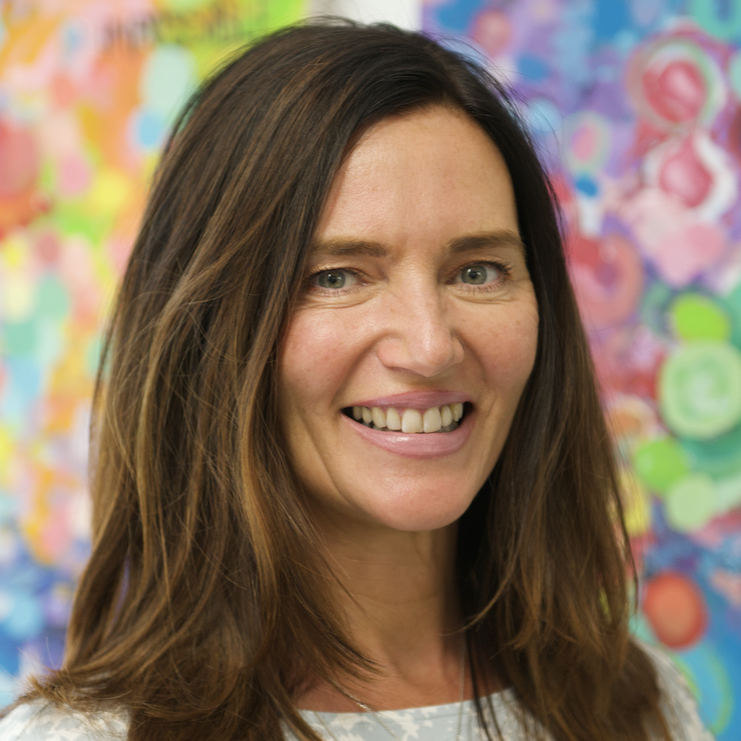
Profession: Art Education Consultant
City: London
Country: United Kingdom
What inspired you to want a life in Architecture and the creative industries?:
Art has always been central to how I think, make sense of ideas and engage with the world. I’m inspired by the creative industries because they value process, experimentation and imagination, and because art has the power to shape confidence, identity and belonging. This belief underpins my work as an art education consultant, where I support others to experience art as a meaningful, rigorous and transformative practice.
Who inspired you in finding your path to Architecture/Film and the creative industries?:
Miss Finch, my art teacher in my early years of secondary school and Neil Shawcross, my lecturer at Belfast school of Art – both legends!
How you unlock obstacles and overcome bias in your work?:
I work to unlock obstacles and overcome bias by treating art as a way of thinking, knowing and becoming. In practice, this means designing learning that values process, uncertainty and material exploration, rather than fixed outcomes or narrow ideas of ability. I challenge assumptions about who art is “for” by broadening references, legitimising different ways of working, and creating conditions where all learners can develop creative confidence. By focusing on how learners think and make meaning — not just what they produce — I aim to remove barriers and support more equitable, transformative creative experiences.
What improvements do you feel are required to promote effective change in the academic and working environment?:
Effective change depends on creating environments that value thinking, knowing and becoming, rather than compliance, speed or performative outcomes. In both academic and working contexts, this means reducing unnecessary bureaucracy, trusting professional judgement, and making space for deep, process-led practice. It also requires challenging inherited hierarchies about whose knowledge counts, embedding more inclusive and representative curricula, and recognising creativity as a form of rigorous thinking. Sustainable change happens when people are given time, trust and permission to work with curiosity, care and agency.