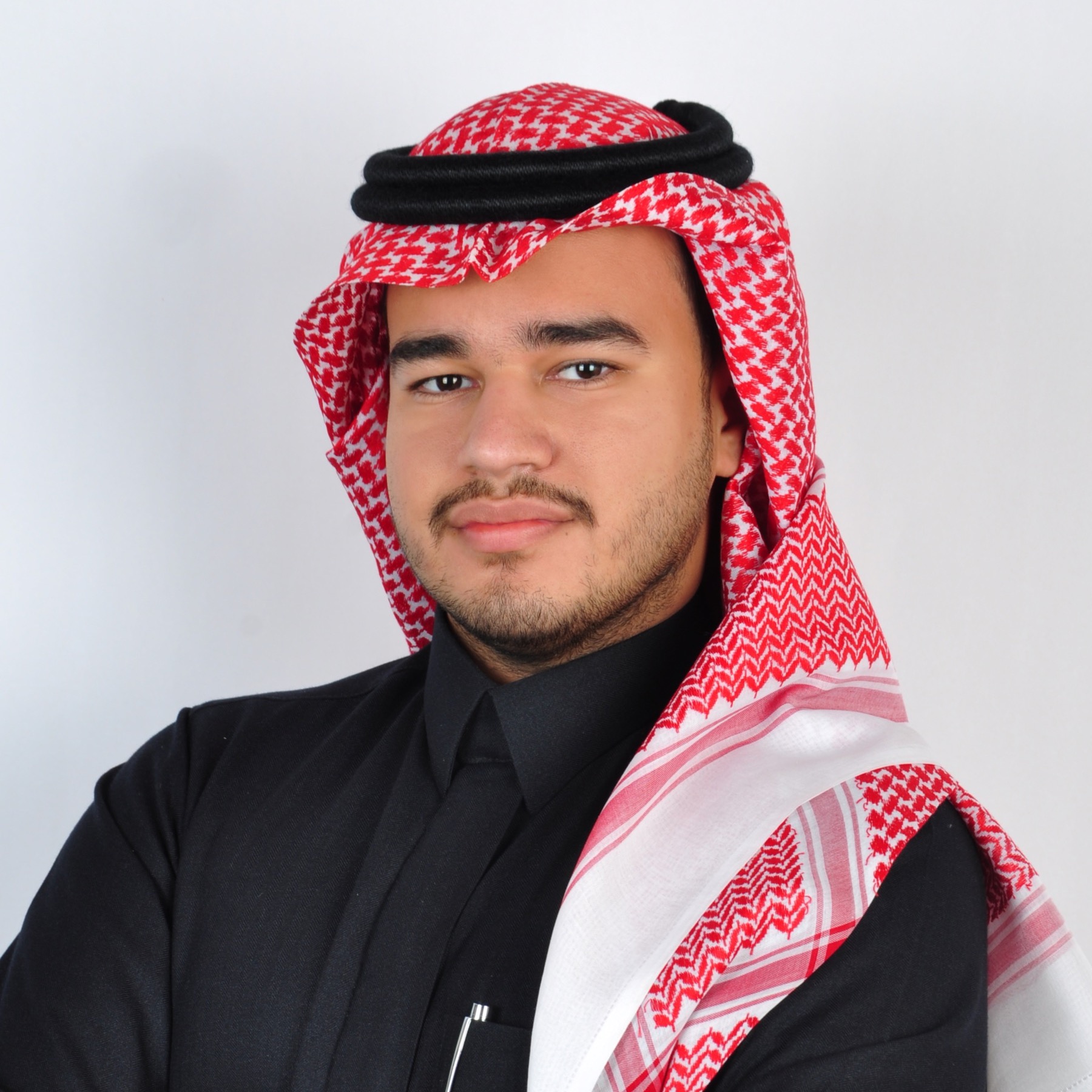
Mohammed Sattam Alsattami

Profession: architecture engineer
City: Riyadh Region
Country: Saudi Arabia
What inspired you to want a life in Architecture and the creative industries?:
My interest in architecture was shaped through my academic background in architecture and building science, combined with hands-on professional experience on large-scale and governmental projects in Saudi Arabia. I became inspired by the role architecture plays in organizing complex systems, translating functional requirements into buildable designs, and creating environments that respond to real operational, social, and environmental needs. Working on industrial facilities, master planning, and landscape projects showed me how architecture extends beyond form into coordination, problem-solving, and collaboration within a wider creative and technical ecosystem.
Who inspired you in finding your path to Architecture/Film and the creative industries?:
My path was influenced by academic mentors and professional teams I worked with during my studies and early career, particularly within multidisciplinary environments. Senior architects, project managers, and coordination teams demonstrated how strong architectural thinking emerges from collaboration, technical knowledge, and continuous learning. Their approach to managing complex projects, design guidelines, and stakeholder requirements reinforced my interest in architecture as a creative yet structured discipline that connects design with execution.
How you unlock obstacles and overcome bias in your work?:
I overcome obstacles and bias by relying on structured workflows, technical analysis, and coordination rather than assumptions. My experience with BIM tools, clash detection, and design review processes has taught me to identify issues early, evaluate them objectively, and propose practical solutions. By engaging with multidisciplinary teams and using data-driven design tools, I ensure that decisions are based on project requirements, standards, and constructability, allowing challenges to be addressed efficiently and fairly.
What improvements do you feel are required to promote effective change in the academic and working environment?:
Effective change requires stronger alignment between academic education and professional practice. Greater emphasis on real project exposure, BIM workflows, interdisciplinary collaboration, and project management skills would better prepare graduates for the industry. In the working environment, fostering mentorship, clear communication, and continuous professional development is essential. Encouraging collaboration across architecture, engineering, and planning disciplines can create more adaptive, innovative, and resilient design outcomes.