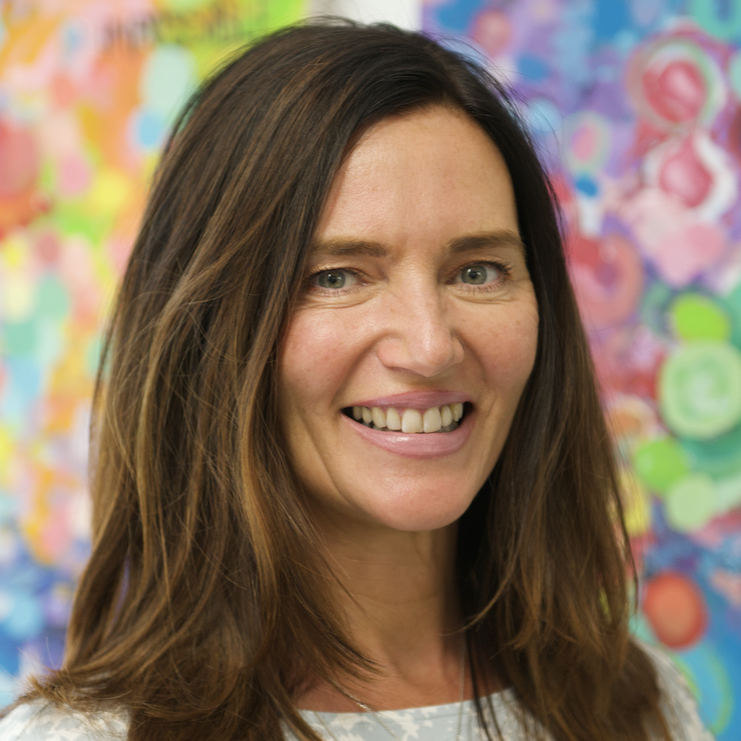
Noufa Shabeer

Profession: Environmental Architect
City: Liverpool
Country: United Kingdom
What inspired you to want a life in Architecture and the creative industries?:
I was always drawn to building, creating, and designing from a young age. Architecture initially attracted me because it allowed me to combine creativity with purpose. As I studied, I began to understand that architecture is not just about buildings, but about culture, history, people’s stories, and how societies express their values through space. However, as I learned more, I also became aware of the darker reality of the built environment. Buildings are among the largest contributors to carbon emissions, and architecture is often driven by grandeur, speed, and profit rather than care for people or the planet. Coming from one of the most densely populated countries in the world, India, this concerned me deeply. The demand for shelter is immense, yet the dominant response is often repetitive concrete housing with enormous environmental and social costs.
This awareness reshaped my path. I became interested in creating architecture and creative work that is meaningful, responsible, and emotionally resonant. As an artist, I believe stories and emotions can be translated into form, space, and visual expression, helping people connect with ideas around sustainability, care, and collective responsibility. My inspiration comes from the desire to design in ways that protect the planet while remaining deeply human.
Who inspired you in finding your path to Architecture/Film and the creative industries?:
My path was shaped less by a single individual and more by lived experience, questioning, and moments of clarity. During my internships and early professional work, I found myself uncomfortable with the environments I was helping create. I questioned why buildings were designed the way they were and how little attention was given to people’s lived experiences or environmental impact.
During my undergraduate studies, learning about architectural thinkers and designers who responded to real social and environmental needs helped me see architecture as a tool for care rather than control. A turning point came during a collaborative urban design project, where working closely with others made me feel included, heard, and inspired by shared thinking.
My undergraduate thesis further solidified this path. Addressing flooding in Kerala, I researched floating architecture and designed a self sustaining solution rooted in necessity, resilience, and community needs. This experience taught me that architecture and creativity can respond directly to real crises.
I have also been deeply inspired by interdisciplinary creatives who work across art, education, activism, and making. They showed me that architecture does not need rigid boundaries, and that creativity can be a bridge between technical knowledge and people.
How you unlock obstacles and overcome bias in your work?:
I begin by acknowledging obstacles rather than avoiding them. Whether it is environmental injustice, gender bias, or the assumption that sustainability is expensive or inaccessible, I try to address challenges through research, clarity, and communication.
In professional settings where my concerns about environmental impact were not heard, I chose not to give up. Instead, I redirected my energy into learning more deeply and developing better tools to communicate ideas. This led me to pursue further education and to use art, sketching, visual storytelling, and design as ways to make sustainability more accessible to everyone, not just architects.
I rely strongly on visual communication and storytelling to challenge assumptions. Translating complex ideas into diagrams, images, installations, or conversations allows people to engage without intimidation. I also believe listening is essential. Creating space for people’s voices and experiences helps me design responses that are inclusive and grounded.
When faced with resistance, I remain patient but persistent, trusting that empathy, evidence, and creativity can slowly shift perspectives.
What improvements do you feel are required to promote effective change in the academic and working environment?:
I believe academic and professional environments must become more inclusive, interdisciplinary, and community connected. During my undergraduate studies, ideas around net zero energy and climate responsibility were often discouraged as being too complex or unrealistic. This made me realise how important it is for institutions to encourage curiosity rather than limit ambition.
Design education should place equal importance on social impact, climate responsibility, and lived experience alongside technical skills. Sustainability must be taught as something practical, achievable, and scalable, not abstract or optional.
In professional environments, there needs to be more openness to questioning established systems and valuing diverse voices. Ethical, slow, and regenerative design processes should be supported rather than sidelined. Creating spaces for collaboration, experimentation, and reflection can lead to more meaningful outcomes.
Alongside architecture, I aspire to build or contribute to sustainable event design and installations, creating stages, exhibitions, and gatherings that demonstrate what is possible at different scales. I believe these visible, shared experiences can help communities imagine and adopt more sustainable ways of living.