Aisha Elena Faty Embalo
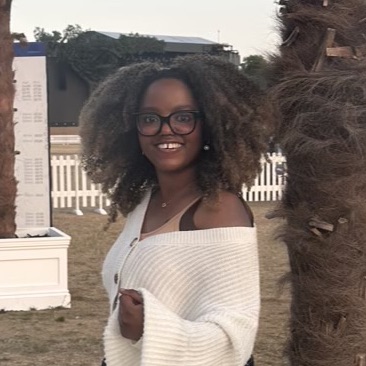
Profession: Architecture student
City: Nottingham but I’m from London
Country: United Kingdom
What inspired you to want a life in Architecture and the creative industries?:
What made to want a life in architecture and the creative industries, is from personal experience of constant exclusion from necessity. For me. I had a stroke in 2019 (when I was 14) resulting in left-sided paralysis of my body (left arm and leg). In my first few years I was in a wheelchair, and when it comes to navigating a building it was always a challenge. It felt I was not allowed to be in the building, mainly because I can not navigate through it the same way as an abled person. It can to realisation that architecture is not made with human capabilities in mind, just aesthetic and appeal. This is because building will claim to be accessible, but then have an external access to the main building. Which intentionally segregated and excluded the disabled from able people, which is a longer in destination, making it difficult for me to experience the same feeling of space abled people experience. That includes signage, they are ineffective and can be useless for a wheelchair user, as they see a different perspective which is lower in view, compared to a standing perspective, which makes signage effective. And add-ons, like external ramps, which are usually unstable. So, I want create an impact, by having more inclusion in architecture of accessibility, diversity and all-inclusive design spaces. Architecture and the creative industries is lacking in these aspects.
Who inspired you in finding your path to Architecture/Film and the creative industries?:
By being told my doctor I can’t pursue architecture because of my physical limitations, and I should pursue something else more accommodating to me. But as a minority in every aspect, that’s not an option for me. So, I did foundation year in university, and I had to makes my own adaptation and method to fulfill the task. I was able to bring my vision to life thanks to design doing practical studio tasks. Allowed me to take advantage of technology to fulfill two-handed projects. This allowed me to see the potential in finding my path in architecture.
How you unlock obstacles and overcome bias in your work?:
I struggled so much because support was not given to me in university. I experienced so much negative criticism from my lecturer as she constantly discouraging me by wanting to create an accessible architecture that’s diverse and all-inclusive, by using my physical limitations and disabilities against me to claim I cannot pursue architecture. Despite me constantly proving to her I can do it. It had such a negative impact on my mental and physical health. That I’ve decided to change university, to continue my pursuit in architecture. I had to keep moving forward.
What improvements do you feel are required to promote effective change in the academic and working environment?:
To be more emphatic towards students who are studying architecture and to be more willing to see their vision by being in their shoes. And to give constructive feedback that is beneficial to the students growth in the architecture and creativity field. To be more flexible in teaching students in these fields.