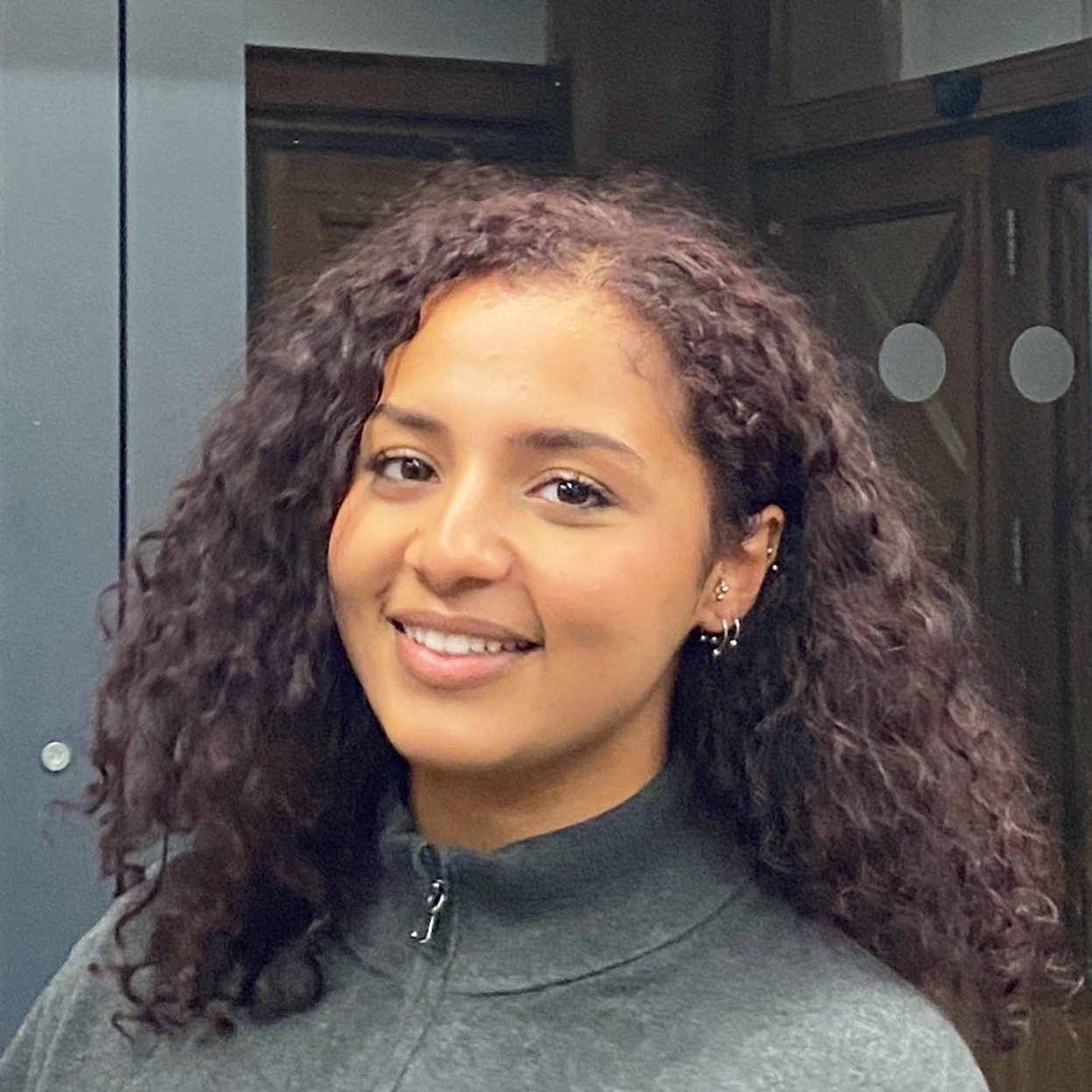
Yi Ping Kam
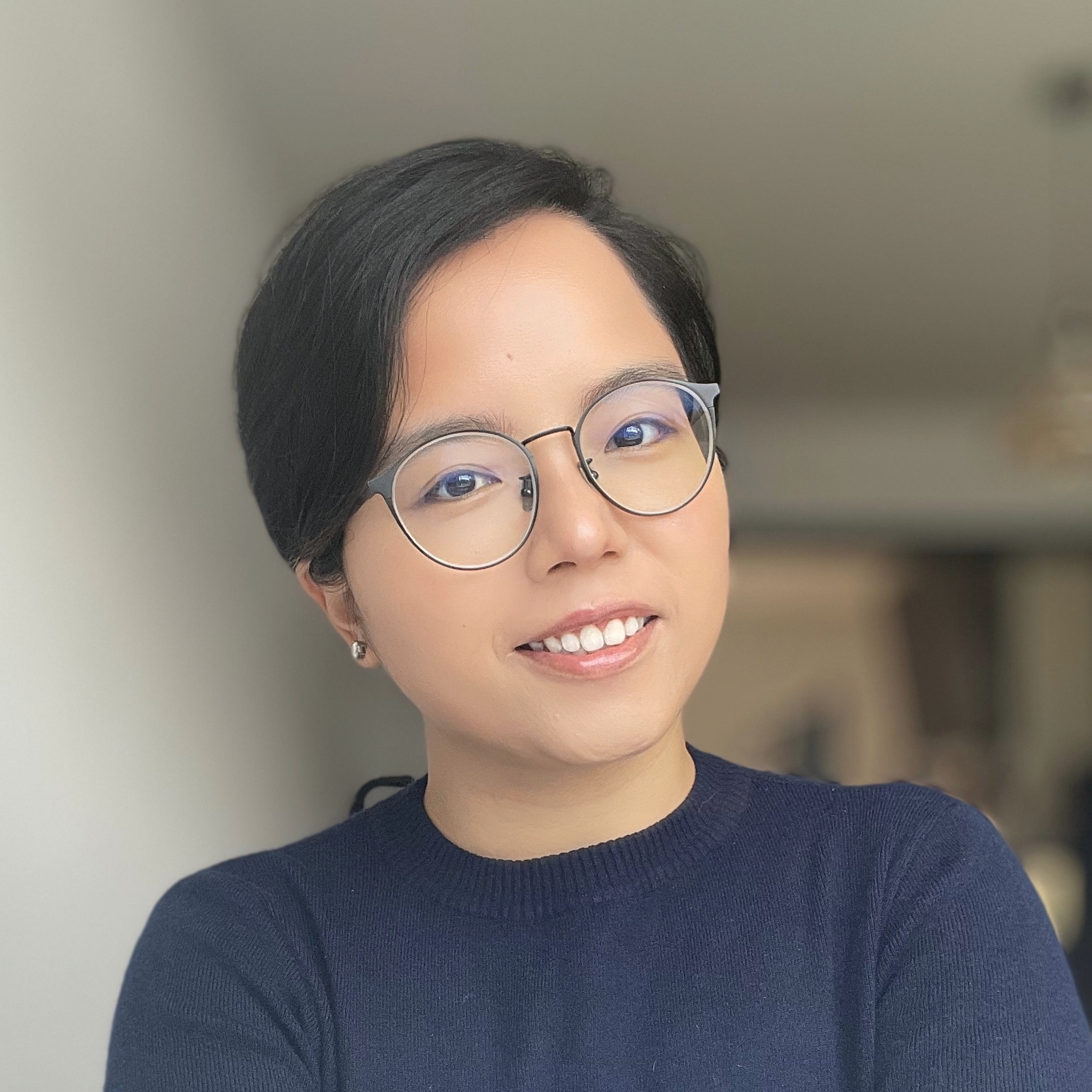
Profession: Architecture assistance
City: Manchester
Country: United Kingdom
What inspired you to want a life in Architecture and the creative industries?:
My journey into architecture began with a deep curiosity about how spaces shape human behaviour and interaction. Growing up in Hong Kong, I experienced first-hand the tension between density and intimacy, between urban spectacle and everyday life. This led me to see architecture not just as buildings, but as a tool for storytelling, social connection, and healing. Later, moving to the UK and witnessing cultural dislocation and integration from a newcomer’s perspective further inspired me to use creative design as a way to bridge gaps that between people, places, and histories. Architecture, for me, is a form of activism, empathy, and care.
Who inspired you in finding your path to Architecture/Film and the creative industries?:
My inspiration comes from both everyday people and visionary thinkers. Locally, my grandmother taught me the importance of making things with your hands—how creativity and care can transform even the smallest of spaces. Professionally, I’m deeply influenced by architects like Lina Bo Bardi and Ruan Hao, whose work sits at the intersection of play, people, and politics. Also, artists and performers who explore urban space as a canvas like Theaster Gates or MAP Office that have shaped my belief that architecture should be inclusive, performative, and alive.
How you unlock obstacles and overcome bias in your work?:
As an immigrant and woman of colour working across cultural contexts, I’ve encountered both subtle and structural biases. My strategy is to stay grounded in lived experience about mine and others’. I often use community fieldwork, dialogue, and performative installations to open up alternative narratives and let underrepresented voices shape the design process. I also embrace adaptability, using storytelling and humour to invite people in rather than push back. Bias can’t always be removed, but it can be revealed, reshaped, and responded to creatively.
What improvements do you feel are required to promote effective change in the academic and working environment?:
We need to reimagine what counts as “knowledge” and “expertise.” More inclusive academic spaces should centre lived experience, collaborative making, and emotional intelligence that not just theoretical or technical mastery. In practice, we need mentorship systems that are genuinely supportive for students from minority or underrepresented backgrounds, and workplaces that value diverse design approaches that not just aesthetic outcomes. I also believe that more fluid boundaries between disciplines (e.g., architecture, performance, social practice) would allow more meaningful, cross-sector innovation and more human-centred impact.