
David Dzakpata
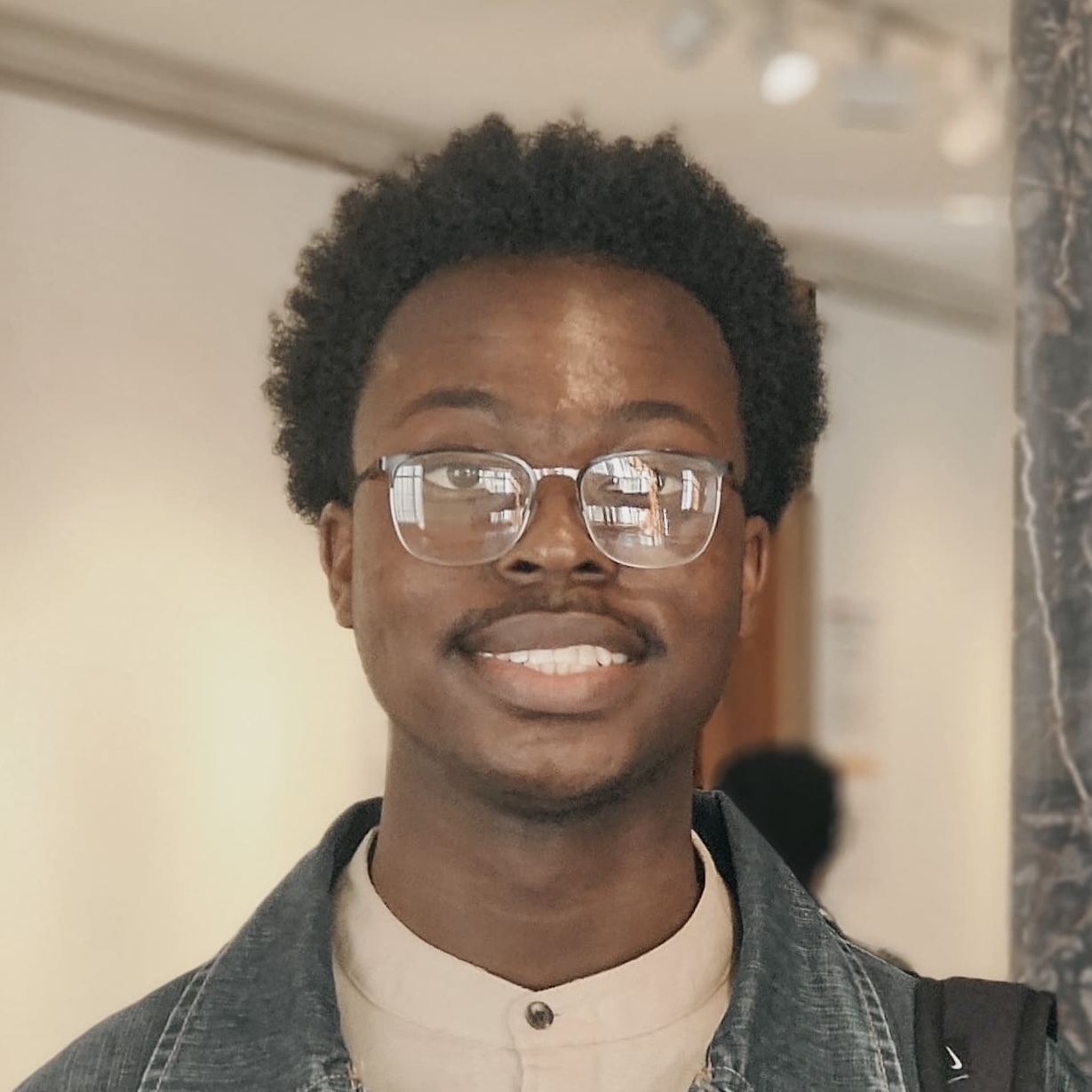
Profession: Architecture and Design
City: Newcastle
Country: United Kingdom
What inspired you to want a life in Architecture and the creative industries?:
As a child, I had always been creative and enjoyed expressing it in a variety ways, be it video editing, graphic design, pencil drawing, and even words on a page. I was initially drawn to studying architecture, therefore, as I saw it as an accredited pathway into the creative industry; allowing me to hone in on many creative designing skills through the study of the built environment.
Who inspired you in finding your path to Architecture/Film and the creative industries?:
During sixth form, I was further inspired to pursue the study of architecture when I began to learn of participatory design, i.e. the idea of designing with a community rather than simply for them. A key example of this is Giancarlo De Carlo’s Turni Housing project. This underpinned my decision to study a bachelor’s in Architecture and Urban Planning rather than solely architecture, as this would allow me to integrate such Urban Planning principles into practice.
How you unlock obstacles and overcome bias in your work?:
My recent interest in West African architecture and design, beyond the typical vernacular and residential typologies portrayed in the media, has been susceptible to a certain level of bias simply because it is not spoken about enough in the UK. To overcome this, I found academic research and open dialogue to be key, given that it is not usually from a place of ill-intent, but rather, a lack of knowledge.
What improvements do you feel are required to promote effective change in the academic and working environment?:
An issue within the academic and working environment, I feel, is equal access to professional opportunities. Whilst for young people, for example, there are many networking events, talks, fairs etc. giving them exposure and a foot into the door for whatever career path they may be interested in exploring, unfortunately many of these are based in London. To improve, having more opportunities based in the North of the UK or making it, where possible, available to engage online with such events would be paramount in improving regional access across the UK. This would unlock a new diversity of talent within both the academic and working environment. agency.