Mariam khadrawi
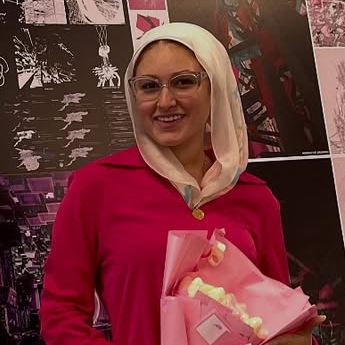
Profession: Architect
City: Cairo
Country: Egypt
What inspired you to want a life in Architecture and the creative industries?:
I’ve always felt that architecture is the field that best reflects my creative side and my potential. I’ve loved creating things since I was young, expressing myself artistically but in a way that can also serve people and make a difference. I enjoy working hard and constantly learning, and architecture gives me both. It’s a profession where you could live 150 years and still keep learning, and that’s something I love.
Who inspired you in finding your path to Architecture/Film and the creative industries?:
There wasn’t a specific architect or film that inspired me, it was more about who I’ve always been. Since I was a child, I loved drawing, sketching buildings, and solving math problems. I enjoyed both art and logic, and architecture is exactly where those two worlds meet. I did a lot of research before choosing it and realized how deeply invested I felt in the field. It just felt like the perfect path for me, a space where I could be creative, analytical, and expressive at the same time.
How you unlock obstacles and overcome bias in your work?:
In the academic field, when I face challenges or bias during juries, I try to first connect emotionally with the panel, I read their body language, understand their reactions, and then explain my project in a way that speaks to both the concept and functionality. If I notice we see things differently, I try to find a common ground and learn from their perspective, because their feedback helps me grow and improve future projects.
In professional work, I usually look for others who faced similar problems and study how they approached and solved them. If I can’t find anyone who did, I try to invent my own solution, because I believe modern problems require modern solutions.
What improvements do you feel are required to promote effective change in the academic and working environment?:
I believe the most important improvement is creating environments that encourage collaboration instead of competition, and support individuality instead of forcing one way of thinking. There should be more focus on mental well-being, creative freedom, and equality, giving everyone the same chance to express themselves and to be heard. Education and workplaces should become spaces where learning never stops, creativity is valued, and everyone feels safe to share their ideas.