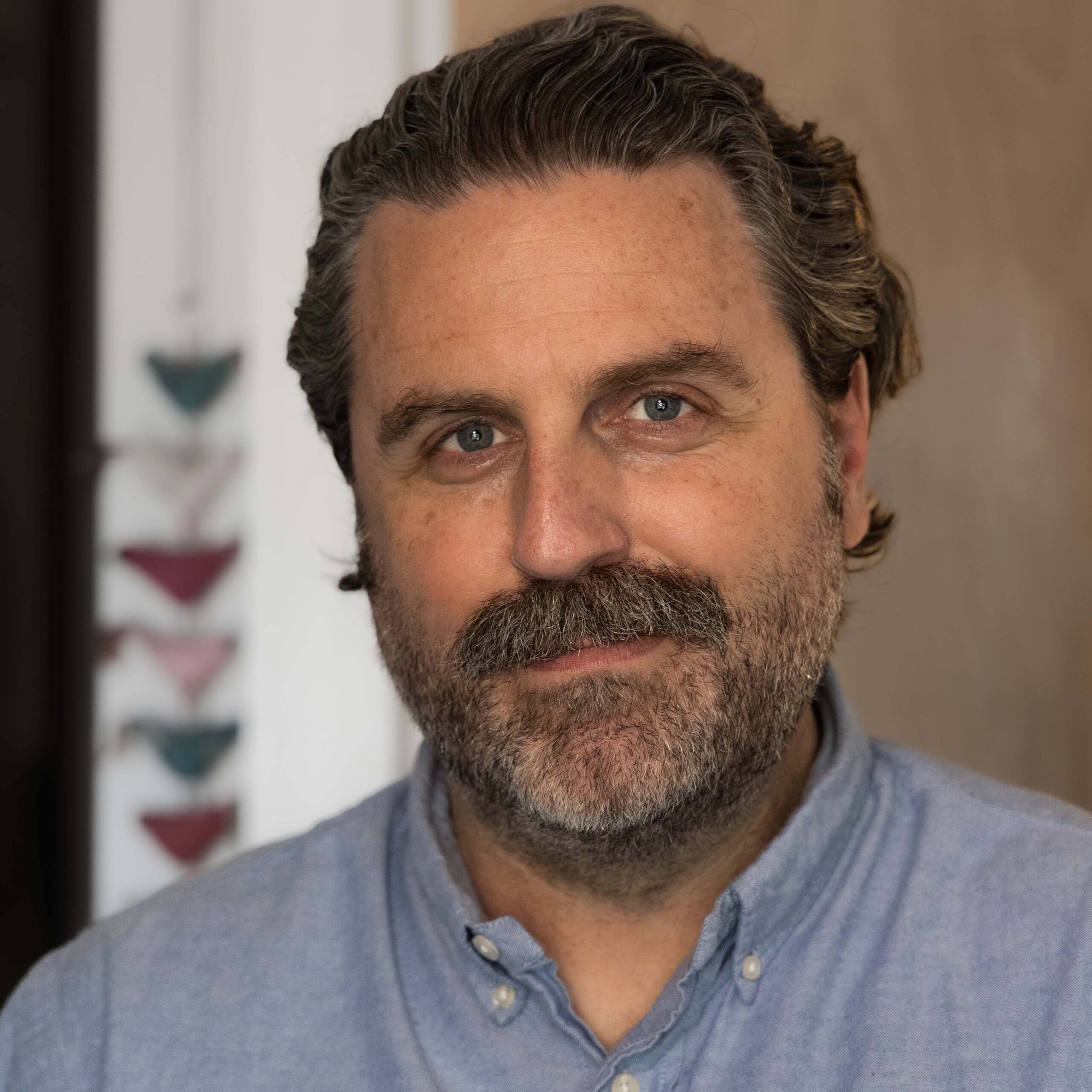
James Michael Strand
Profession: Public Service | Architecture | Climate | Equity | Performance & Utilization
City: SEATTLE
Country: United States
What inspired you to want a life in Architecture and the creative industries?:
From bagels to vinyl records to working for an arborist, I worked across a memorable spectrum of minimum wage jobs and was exposed to a wide breadth of personalities starting in my teenage years. In consideration of college, financial support for school meant high percentage loans and I was never able to accept that kind of ‘help’. I gave school a shot on what money I could make through work, but at 50 hours a week for work alone, I felt that my grades did not reflect my ability. A seized piston on my car ultimately put school on pause.
Though I had little to build from, I found great self awareness in the privilege of my life as a Californian and American. I became especially affected by others with different abilities in the US and beyond, in places with less political and economic stability elsewhere in the world, whose ability to thrive was diminished to my benefit my life in the US. That compassion and awareness drove me to pursue service with the US Navy, which would help inform me with first hand experience, of how others across the world existed, and provided practical experience in rigorous implementation of vast technical projects and processes. In the end, it empowered me to pursue education which would reinforce my intention to be a positive collaborator for human well being.
Throughout this timeline, I carried a personal passion for literature, drawing, writing, and photography which was born from a love of human expression, observation, and experience. My actions to be a participant in the world combined with financial support for my educational interests, revealed the concept of architecture to me. Human empathy and observation inspired me to take the structure I knew intuitively in the arts and apply them, along with my practical knowledge of implementation, to solutions for the built environment. I have consistently, that play between the practical and artistic thinking, to be an effective ally and tool in my work.
Who inspired you in finding your path to Architecture/Film and the creative industries?:
A common saying in work to address climate change is that ‘there is no silver bullet’ and no less is true for any of us and how we are shaped along our path. With that said, those who indirectly inspired my path to architecture are many and those who directly inspired are few.
It’s hard to imagine that any of us, especially in our youth, go unimpressed by the monuments of human makers, the buildings and built structures, our homes, highways, bridges, towers, and parks. The places we traverse and convene in densely, in mass, are where we derive our memories and celebrate our shared humanity. Like many, I was inspired the builders, designers, and users of place.
Another immense influence is the arts, through painting, poetry, literature, and photography to name a few. The construction of prose, visual frameworks, rhythm and the movement of energy found in the process of making, individually and collaboratively, primed my pathway into architecture.
Inspiration from oral story telling is an understated and powerful influence on my path. Simple and complex life stories shared by strangers and loved ones, have collated over time into a human soup of the soul which feeds inspires many aspects of my life, with no less affect on how I think about or have been drawn into architecture. Perhaps its that so often my memories of these stories is the setting they were told in or how the places where the stories told were described. Perhaps the connection is a kind of intimacy found in designing that connects with memory had and shared in story telling.
Directly, a pivotal mentor in my life, architect Randy Goodwin, showed me through action that architects can work in public service for the public good. My cultural preconception of architecture had always been that architects existed as an exclusive service for wealthy interests. Randy showed me that an architect can work to infuse empathetic, dynamic, rational, and artful solutions in application to the built environment.
How you unlock obstacles and overcome bias in your work?:
I’ve long been grounded in concepts of humanism and empathy. Combining humanism and empathy to me, means working to know the scope of what a human being can be through their life, death, and beyond in story and remnants of emotion. It’s a living process, one never settled, to learn about and understand the world’s people, culture, and history and the varied context in which we all grow.
Maintaining this as a moral center has been a guiding force and touchstone in my life and work. Not sacrificing that for a sense of comfort, out of fear, in the face of peer pressure, or in exchange for some concept of wealth and title, has provided me with a foundational sense of peace in the face of life’s challenges. To know that we all lack perfect knowledge about each other and the world, is at once a relief and an empowering motivator act with urgency to listen, observe, and ask questions. To be empathetic to those affected by our designs and their manifestation into the world, gives greater agency to all in the design process and makes for more robust and dynamic project outcomes.
The most common obstacles and bias I have faced, in context of my personal philosophy, have more often been resolved with improved communication and through earnest effort to be firm in our intentions, compassionate to others, and establish trust. In action, as a baseline it involves time, vulnerability, and clearly defining the shared intentions of those involved in the work. It should be said that not all conflict can be resolved and that for what various issues do arise on a project, in life or work, that we can only do our best to prioritize which of those issues gets what attention we have to spare, i.e. we do our best.
What improvements do you feel are required to promote effective change in the academic and working environment?:
In my experience, the adaptability of the academic and working environments to change, has perpetually slowed for the great majority of working people, with the only substantial change occurring due to economic austerity, such as reduced funding and increased administrative costs or through exogenous pressures, such as the great recession and global pandemic.
There exists a need in both academia and work to justify intention and the underlying processes undertaken to accomplish them. In several cases I have experienced a cognitive dissonance as to how well anyone understood exactly what was being accomplished through work or even what was being attempted. Through my own analysis and with experts in the field of process workflows, I have consistently observed that intentions are often assumed from previous iterations of the work, i.e. ‘this is how it’s always been done’ or ‘this is tradition’ and outcomes are not assessed upon project completion or cannot be well assessed as goals were not well defined or defined at all, in project concept phases, i.e. ‘be realistic = we don’t have the time, money, or expertise to do so, let’s move on to the next project’ or ‘be optimistic = let’s just celebrate that we’re done’.
My perception is that neither position is realistic or optimistic and that ultimately, the consistent trend to rely on ever evolving perceptions of tradition and to not assess project performance with rigor, ensures at minimum, random outcomes and at worst, leverages those with the greatest agency, the ability to shape the narrative of performance to their own needs. This leaves the greater majority of humanity subject to that random performance and narrative building.
It must be said that the process of developing metrics of performance, to set intentions which can be clearly assessed and measured is one of the most difficult aspects of project development, but it serves to inform, improve, and reshape the processes of work and education.