
Azal Kassim
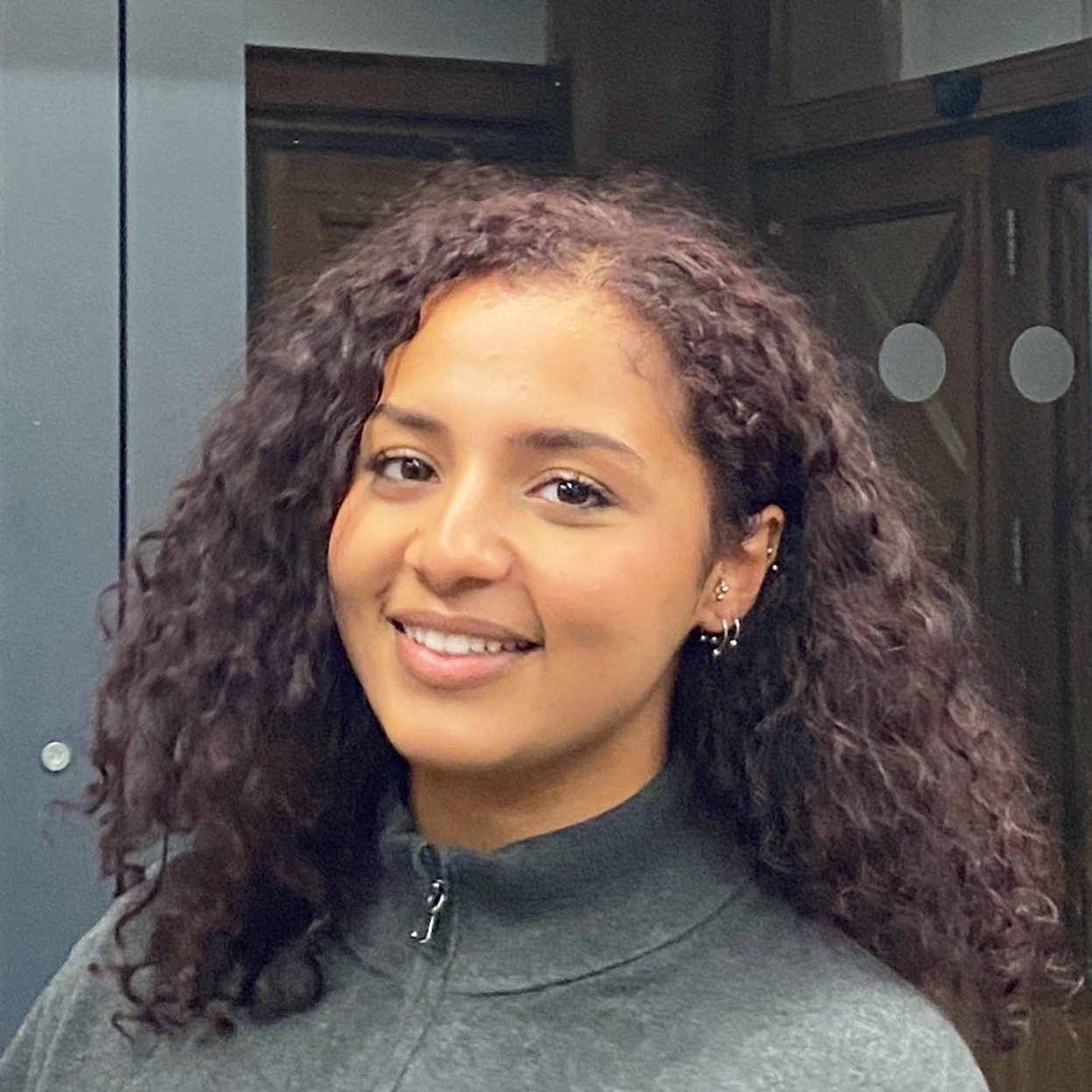
Profession: Part 1 Architecture Student
City: London
Country: United Kingdom
What inspired you to want a life in Architecture and the creative industries?:
Growing up in Wembley, I often struggled to express myself creatively. It was only in my art class that I felt truly seen, where the work was entirely mine. I was accountable and responsible for telling my own story through my work. I had to face myself, and that is when I began to understand what it truly means to be creative.
To be creative is to face yourself, and to be an architect is to face how you respond to the world.
Architecture, to me, is a vessel for acknowledging big, sometimes uncomfortable subjects. Being in this field requires the courage to listen, to other people’s stories, to rich site histories, and to respond to them through care, creativity, and built form.
To me, architecture is a space of listening and of creating stories. It tells the story of our past, shapes our present, and holds the potential to imagine our future. It is involved in every part of our lives, often quietly, yet so powerfully.
Growing up in Wembley, I saw how people made spaces their own, embedding their cultures and stories into the buildings around them. That taught me that buildings are not just structures. They are vessels that hold memories, communities, and change.
I want a life in architecture because it is a field of constant learning. You learn from others, from sites, and from yourself. It pushes you to grow, to collaborate, and to pay close attention to the world around you. I am especially inspired by the challenge of working with existing buildings and the opportunity to respond with creativity and care. It encourages us to reimagine what already exists.
Architecture is a continuous process of listening, reflecting, and evolving. That is what draws me in. It is a discipline rooted in understanding and curiosity, and I want to be part of that journey.
Who inspired you in finding your path to Architecture/Film and the creative industries?:
The path to architecture was not straightforward at all. I was studying Human Sciences at one of the top universities in the world, but I knew deep down that I did not belong in that field. Still, something stayed with me, the multidisciplinary way of understanding humans, which is something architecture also deeply engages with.
Before choosing my A Levels, I was planning to study all sciences and maths. I remember my art teacher pulling me aside and asking what subjects I was going to choose. When I told her I had chosen Biology instead of Art, she gave me a smile. It was almost as if she was laughing at the system that so heavily discouraged creativity. She said, “You will come back to it, or it will find you again. You cannot escape your creativity.”
Years later, she was right. When I was in a field that felt completely wrong for me, even my personal tutor noticed. She told me that if I wanted to pursue architecture, I should go for it. That moment opened a door. I realised I had a chance to commit to something that was not only creative, but also human centred, intellectually challenging, and expressive.
So, when I reflect on who inspired my path into architecture, it was not a single person or a well known figure. It was the experience of doing everything except architecture. It was the people in my personal life who observed me, saw me trying to fit into spaces that did not feel right, and encouraged me to return to what I truly loved. In the end, it was about rediscovering something that had always been there, creativity.
How you unlock obstacles and overcome bias in your work?:
One thing I have come to accept in architecture is that it is a field full of constant obstacles and underlying bias. Once that acceptance happens, the next step is learning to stay open, open to feedback, to failure, and to the uncomfortable. That requires a mindset of curiosity.
I have found that design obstacles often present unexpected opportunities. When I feel stuck, I turn to research. It has a way of re inspiring me, helping me reconnect with the bigger picture. In particular, the challenge of responding meaningfully to a site or brief is never solved with surface level understanding. It takes deeper research and patience.
Working in studio environments also helps me overcome bias. Being surrounded by others with different ways of thinking allows for new perspectives. Having fresh eyes look at my work has helped me break patterns I did not realise I was stuck in.
Sometimes, the best thing I can do is step away from the work altogether. This year, I attended events like the RIBA Festival of the Future. It gave me a fresh perspective and reminded me why I chose this field. Conversations with architects who share a similar background to mine made me feel more grounded and hopeful.
Imposter syndrome is something I continue to navigate. It can affect how I perceive the quality of my work. But I have learned that overcoming obstacles and bias is not just about skill or knowledge. It is also about being kind to yourself in the process and continuing to show up, even when it feels difficult.
What improvements do you feel are required to promote effective change in the academic and working environment?:
I believe that change comes from giving people the platform and space to speak with each other. In the academic environment, especially in architecture, there is often a competitive atmosphere. With projects being individual and self-led, there is a missed opportunity for idea exchange and collaboration.
The professional world is already beginning to shift, with more co-design schemes that involve people outside of the field. We need to mirror this change within academic settings. Architecture is, at its core, a collaborative discipline. Creating a safe space where students can learn from their mistakes and grow alongside others is essential.
This begins with working alongside people from diverse backgrounds. We learn from each other when we are exposed to different ways of thinking, designing, and problem-solving. Unfortunately, this is still lacking in both academic and professional spaces.
Events like the RIBA Festival of the Future and conversations such as the panel hosted by Homegrown Plus on Skills, Thrills and Bills offer something rare. They create open and human-centred environments where professionals speak with openness and humility. That is the kind of atmosphere I feel is missing from both universities and workspaces. A culture that values openness over competition and shared learning over individual performance.
In my own practice as a Part 1 architecture assistant, this has become central to the way I work. I actively seek environments that are collaborative, safe, and honest because that is where the most meaningful and creative work can happen.
What we need is more organisations like Homegrown Plus that actively create these spaces for dialogue, collaboration, and shared learning. Nurturing these environments is not just valuable, but vital to shaping a more inclusive, supportive, and forward-thinking culture within architecture. If we want lasting change, it has to start with how we learn, listen, and build together.