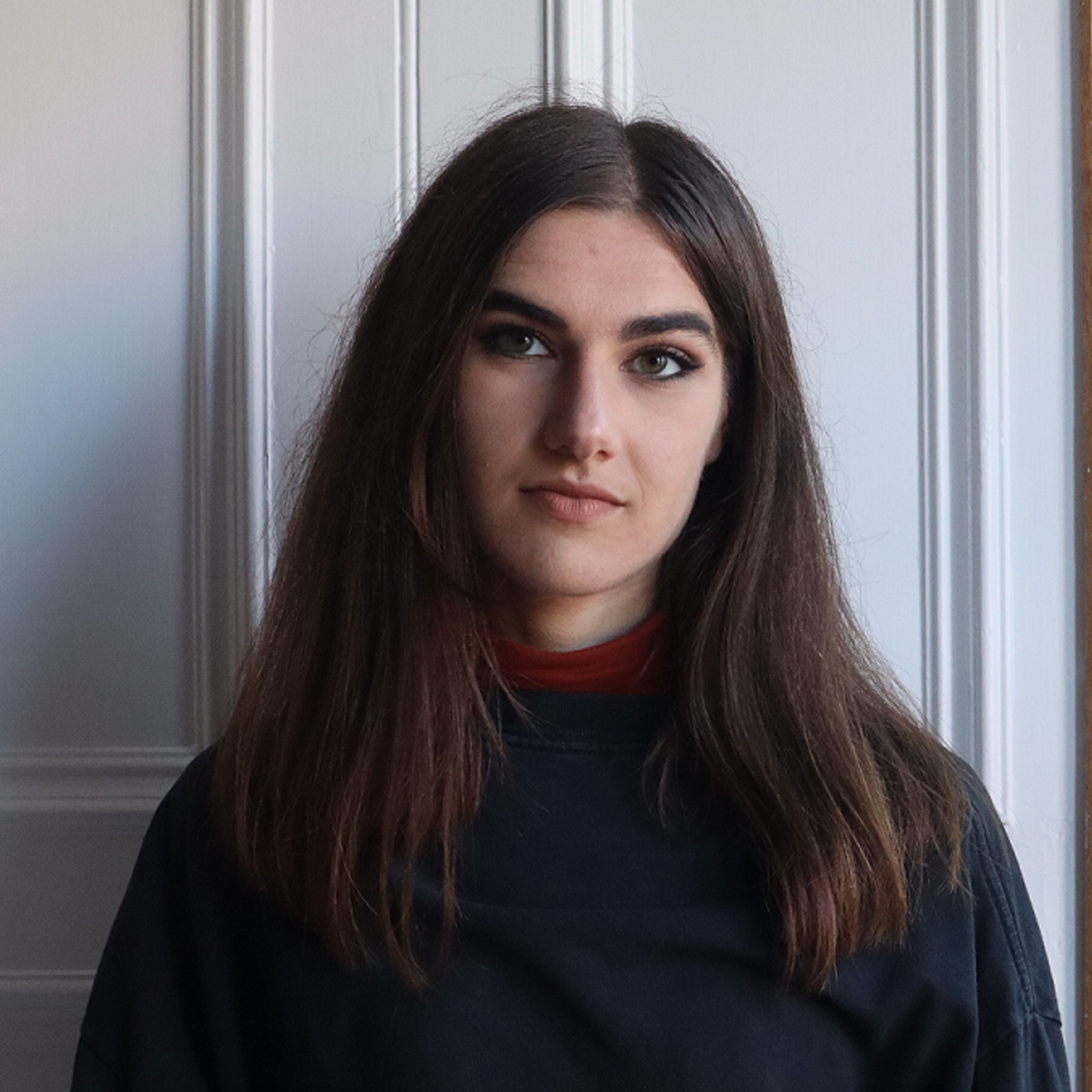
Jelena Sofronijevic
Profession: Curator, Writer, Researcher, and Producer of the EMPIRE LINES Podcast
City: London
Country: United Kingdom
What inspired you to want a life in Architecture and the creative industries?:
I work at the intersections of cultural history, politics, and the arts. My independent curatorial projects include exhibitions like Invasion Ecology (2024), SEEDLINGS: Diasporic Imaginaries (2025), and Can We Stop Killing Each Other? at the Sainsbury Centre (2025), and I produce EMPIRE LINES, a podcast which uncovers the unexpected flows of empires through art. I am also pursuing a practice-based PhD with Gray’s School of Art, curating exhibitions of Balkan and Yugoslavian/diasporic artists in British art collections. Much of my research centres on pluralising representations of Central, Eastern and Southeastern Europe (CESEE)/diaspora communities and cultures, particularly from the Balkans and Yugoslavia, and more constructive, contemporary histories of non-alignment. More widely, I seek to platform lived experiences and perspectives often marginalised or excluded from representation, especially in anti-colonial and environmental activism.
Who inspired you in finding your path to Architecture/Film and the creative industries?:
Artists! I am currently researching Jagoda Buić (1930-2022), a monumental fibre sculptor who worked across contexts including Yugoslavia, France, and Italy. Jagoda’s work featured in the Venice Biennale in 1968, 1970, and 2001, and she represented Yugoslavia at the 13th São Paulo Biennial in 1975, where she was awarded the Grand Prix Itamaraty. In the same year, Jagoda made and presented sculptures simultaneously in Edinburgh, Dublin, and Belfast, yet very little about these exhibitions – or the connections between them – is presently available in the English language. Through my own writing and curatorial practices, I seek to redress this absence, by working across and constellating archives, collections, and communities internationally.
How you unlock obstacles and overcome bias in your work?:
By working with and within communities, collaboration, and by seeking to make complex ideas accessible, not simple.
What improvements do you feel are required to promote effective change in the academic and working environment?:
Greater support for travel and sustained community engagement.