Dieudonné Elohym Da Costa
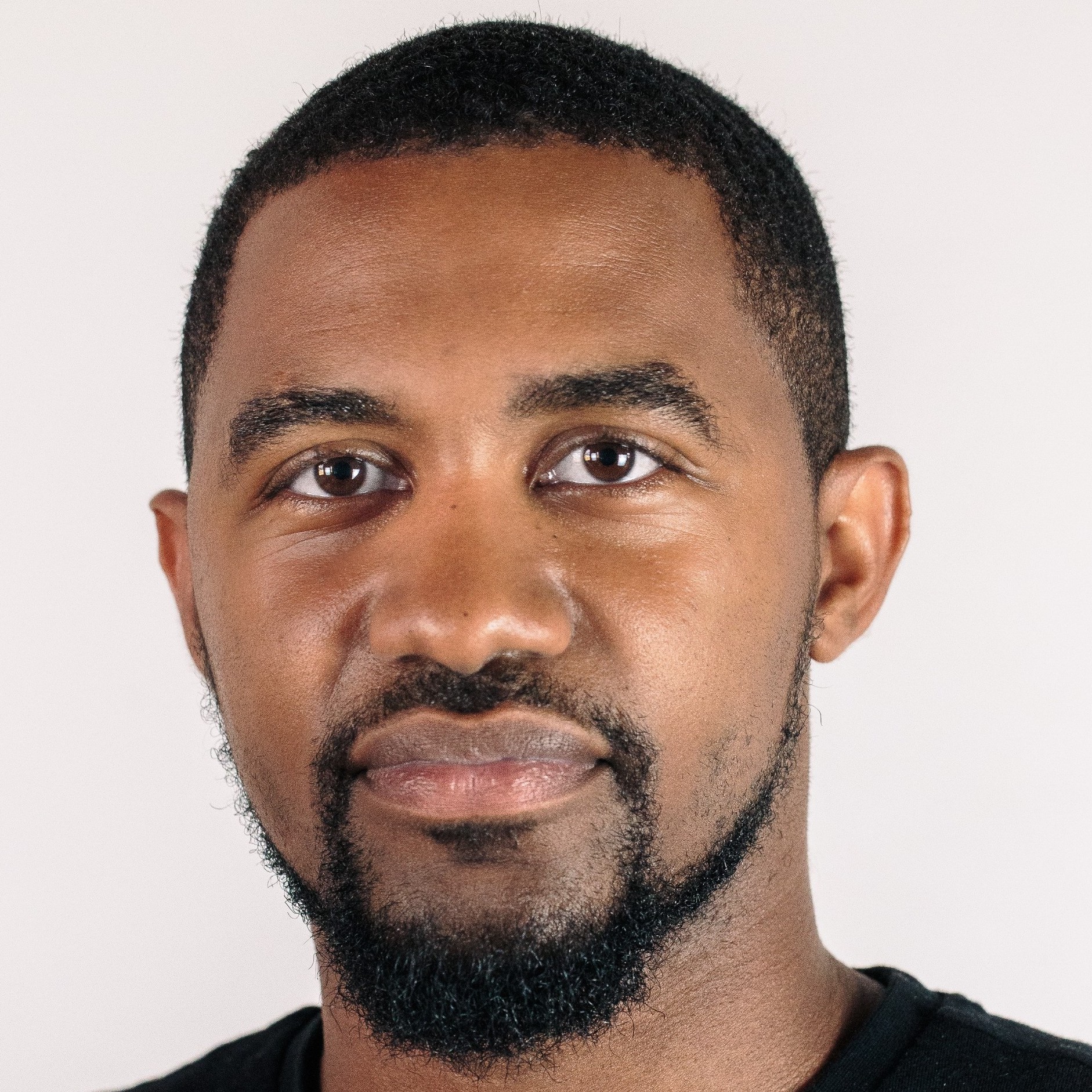
Profession: Spatial Designer/Cultural Practitioner
City: Cape Town
Country: South Africa
What inspired you to want a life in Architecture and the creative industries?:
Growing up in Luanda and later studying in Cape Town exposed me to cities full of contrast, resilience, and untapped potential. I became interested in how people shape space, often beyond formal systems, to express identity, survival, and belonging. Architecture, for me, became a tool to engage with these realities, not just to design buildings, but to understand and influence how cities evolve and who they serve.
Who inspired you in finding your path to Architecture/Film and the creative industries?:
My path has been shaped more by encounters than by a single figure. Educators, practitioners, and peers who challenged how I see cities and my role within them. Spaces like Cape Peninsula University of Technology and international learning experiences exposed me to people working across disciplines, using design as a tool for change. These encounters showed me that architecture can extend beyond practice into advocacy, research, and cultural production.
How you unlock obstacles and overcome bias in your work?:
I approach obstacles by creating my own entry points. When access is limited, I build platforms, initiate collaborations, and engage networks that open space for participation. Working across different contexts has taught me to navigate bias by staying adaptable, grounded, and focused on purpose. I also rely heavily on open and critical dialogue, bringing diverse voices into the process helps challenge assumptions and reshape how work is perceived and valued.
What improvements do you feel are required to promote effective change in the academic and working environment?:
There is a need for more inclusive, practice-oriented learning environments that reflect the realities of the contexts we design for. This includes integrating community knowledge, encouraging interdisciplinary collaboration, and expanding access to opportunities. Academia and practice should better support experimentation, critical thinking, and alternative career pathways, while creating stronger connections between students, professionals, and the communities they serve.