Lachlan Buckley
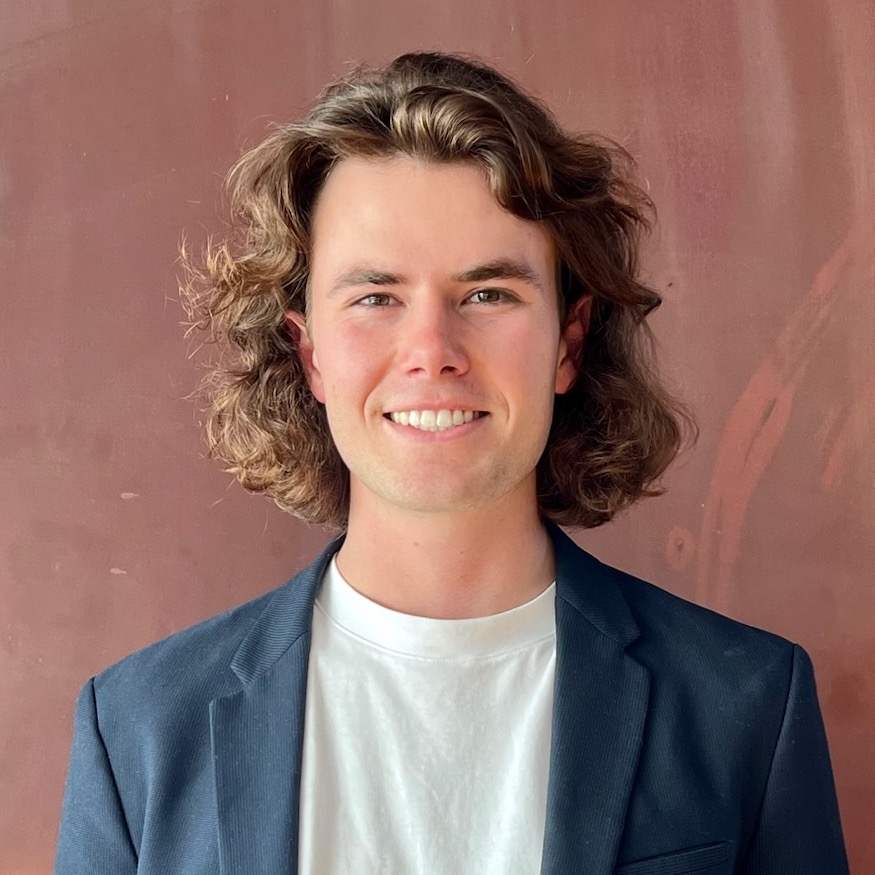
Profession: Architecture
City: EAST MELBOURNE
Country: Australia
What inspired you to want a life in Architecture and the creative industries?:
I come from the Snowy Mountains in Australia, a unique environment to grow up in. The focus of built form was on protection from the elements and a cohabitation of our local wildlife and flora, function definitely comes before form in this environment.
My family comes from a long line of farmers in the mountains. This meant looking after the land. This also meant using what you had around you to solve problems and adapting to hard situations with the tools you had on hand. My early experiences with building and design were through constructing and designing shearing sheds and the restoration of stone mountain huts. Definitely a unique beginning to a creative career.
My ideas of what architecture was changed when my family sold half our cattle and spent the money on a trip to Europe. This experience fundamentally changed my perception of what the built world could be. It sounds cliché, but seeing the Colosseum, Trevi Fountain, Louvre and Eiffel Tower changed everything. From a land where I saw a 100-year-old simple stone hut on my family farm as old, to seeing the Pantheon in Rome. I truly discovered architecture’s potential, and it made me think of what was possible. I began learning the history of architecture from Classicism to Modernism. I discovered the loving history of architecture, and more than anything, I wanted to help write the next chapter and give that knowledge back to my community.
Who inspired you in finding your path to Architecture/Film and the creative industries?:
Some of the people who I looked to as quasi-mentors were craftspersons and builders in the area. However, the main mentoring influence was a retired engineer called Chris Neil. Through him, I learned the importance of proportion and balance in a very philosophical sense.
A considerable motivator for me was the local historical monuments from Snowy Hydro and the national park and their ability to tell a story about the landscape through built form.
There were some larger-than-life architectural figures in Australia that I looked to such as Glenn Murcutt and Sean Godsell. Their ability to adapt architecture to the Australian climate and landscape was inspiring. Murcutt’s philosophy of “touching the earth lightly” really encapsulates what I took away from their works to apply in my own.
I wouldn’t have been able to take the path of the creative industry without the support of my family, who have supported me along the way. Their drive to give me opportunities they never had allowed me to be here.
How you unlock obstacles and overcome bias in your work?:
Adaptability – Working in remote areas with limited resources makes you resourceful. It trains you to innovate within your constraints to solve an issue. It’s important to understand that when you come from a minority area, even when your issues are larger than those in cities, you can’t solve anything without advocacy, communication and empathy. When you practise this at a community level, it enables you to co-design effectively and appreciate a client’s issues and brief.
Having rural knowledge and expertise with tools and construction methods within an urban environment is what has given me a competitive advantage in the creative industry.
The assumptions made about rural designers are that they are closed-minded, ignorant to the wider world, and unsophisticated. I couldn’t be more proud of my rural background and the invaluable experience that many couldn’t imagine or understand. Those experiences are what enable me to strive for excellence.
What improvements do you feel are required to promote effective change in the academic and working environment?:
There should be more rural pathways into creative industries to enable the transfer of that knowledge into the wider country, making Australia even more beautiful and liveable outside of cities.
The architectural education system at large needs to move away from Eurocentrism and incorporate diverse perspectives so that no matter your background, you’re incorporating the best practices and skills from around the world.
More professionals from regional backgrounds need to step forward for mentorship proactively in work and academia, in order to give us the same advantages as those with born connections in the industry.